Lauxera Capital Partners has closed its second growth fund at €520m (US$605m), surpassing its €500m hard cap and nearly doubling the size of its debut vehicle, as investor appetite continues to build for commercial-stage European Healthtech companies.
The oversubscribed fundraise was completed less than 18 months after first close and attracted both returning and new LPs – including Morgan Stanley Investment Management, Bpifrance, EIF (European Investment Fund), Sagard, Flextone, Swen Capital Partners and Malakoff Humanis – with more than 90% of existing investors from Fund I recommitting.
The Paris- and San Francisco-based investment firm plans to deploy the capital across 12–15 companies, with individual investments of €20m–€50m spanning minority and majority positions in commercial-stage Healthtech businesses. Target sectors include medical devices, digital health, healthcare software and data, diagnostics, life science tools, and pharma and medtech services.
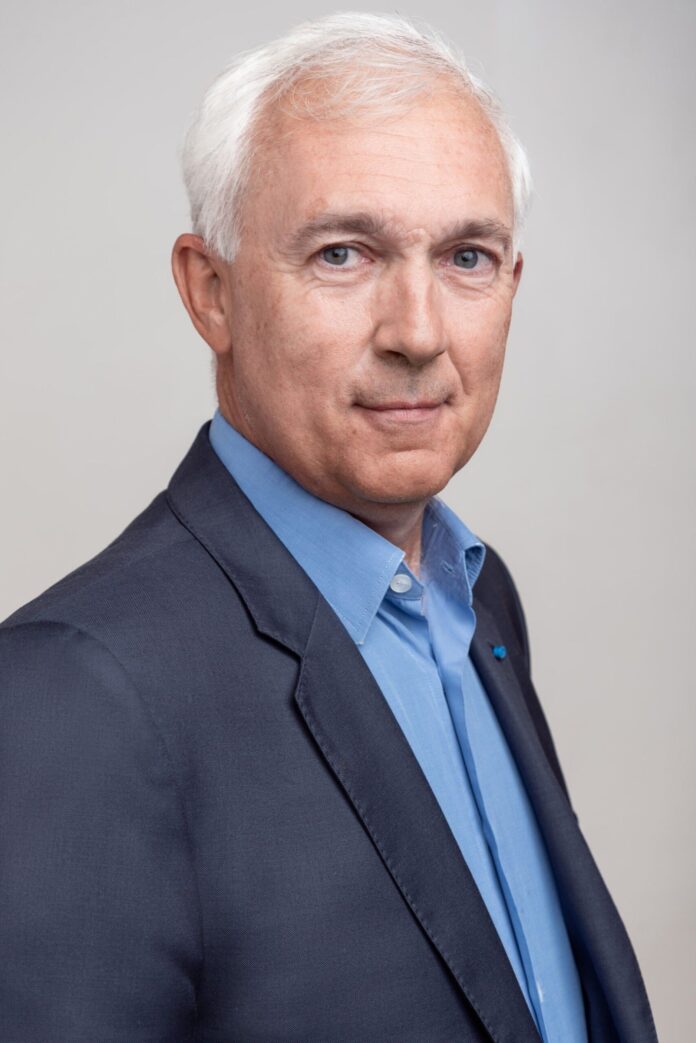
Speaking to Investors in Healthcare, Lauxera co-founder Pierre Moustial said the latest fundraise reflects growing recognition that Europe’s challenge is not one of innovation, but scaling companies internationally.
“We don’t have a problem with start-ups in Europe, we have a problem of scale-up,” he said. “Growth is becoming more understood by LPs. Investors increasingly see the value of building bigger companies from strong European technologies and scaling them globally, especially in the US.”
Moustial said growth equity occupies an increasingly attractive position between venture capital and buyout investing because investors are backing commercial execution rather than binary clinical outcomes.
“You are not betting on technologies. You are not betting on clinical risk,” he said. “You are betting on commercial scale-up, which is different.”
He argued that Europe’s fragmented healthcare markets continue to create structural barriers for scaling Healthtech businesses. Companies face lengthy reimbursement pathways in domestic markets before encountering a patchwork of national regulations across Europe, making US expansion increasingly attractive.
“The US remains unequivocally the most attractive market for scaling European Healthtech companies,” the firm said in the press release announcing the close.
According to Moustial, however, many European founders underestimate the complexity of the US market.
“Most understand they need to enter the US because it is the world’s largest healthcare market, with one FDA and generally faster reimbursement pathways,” he said. “But they often think the US is simply ‘Europe, but bigger’. It isn’t. The rules, culture and mindset are completely different.”
Transatlantic key
Lauxera’s transatlantic operating model is central to its strategy. Founded in 2020, the firm has operated from both Paris and San Francisco since inception, with Moustial arguing that local presence and operational experience are essential for helping European companies scale successfully in the US.
“If you want to win in the US, you have to think big and invest to win,” he said. “If you don’t invest, you will lose.”
Lauxera aims to take lead or co-lead positions in investments and maintains a hands-on role with portfolio companies, helping management teams shape US expansion strategies, recruit executives, identify acquisition targets and navigate commercial scaling decisions.
“We generally aim to lead investments. We are either the first institutional investor alongside the founders, or we become the largest investor in the company,” Moustial said. “We are very hands-on. We are not managing companies, but we help management teams avoid mistakes.”
The strategy has already produced an early validation through the 2025 sale of British organ preservation specialist OrganOx to Terumo for approximately US$1.5bn. According to Lauxera, OrganOx increased revenue more than fivefold during its ownership period, driven primarily by US expansion.
“Around 95% of the value creation occurred in the US market,” he said. “And that represents a strong proof point of Lauxera’s impact and strategy.”
Lauxera has already completed two investments from Fund II: in German neurovascular device company Acandis and Swedish imaging services provider Antaros Medical.
Moustial said the firm is currently focusing heavily on precision medicine opportunities, driven by advances in data, biomarkers and AI-enabled diagnostics.
“We now have more capabilities to develop the right treatment for the right patient at the right time with the right dosage,” he said.
While much of the healthcare investment market remains focused on biotech and pharma patent cliffs, Moustial stressed that Lauxera deliberately avoids binary drug-development risk.
“We are not taking clinical risk,” he said. “We are taking commercial and manufacturing risk.”
Strategic exit
For exits, Moustial said strategic buyers remain the preferred route over IPOs, particularly given continued weakness in European public markets.
“The European IPO market for healthcare is still difficult,” he said. “Strategics are always there, they have cash, and when you have demonstrated commercial traction they are willing to pay.”