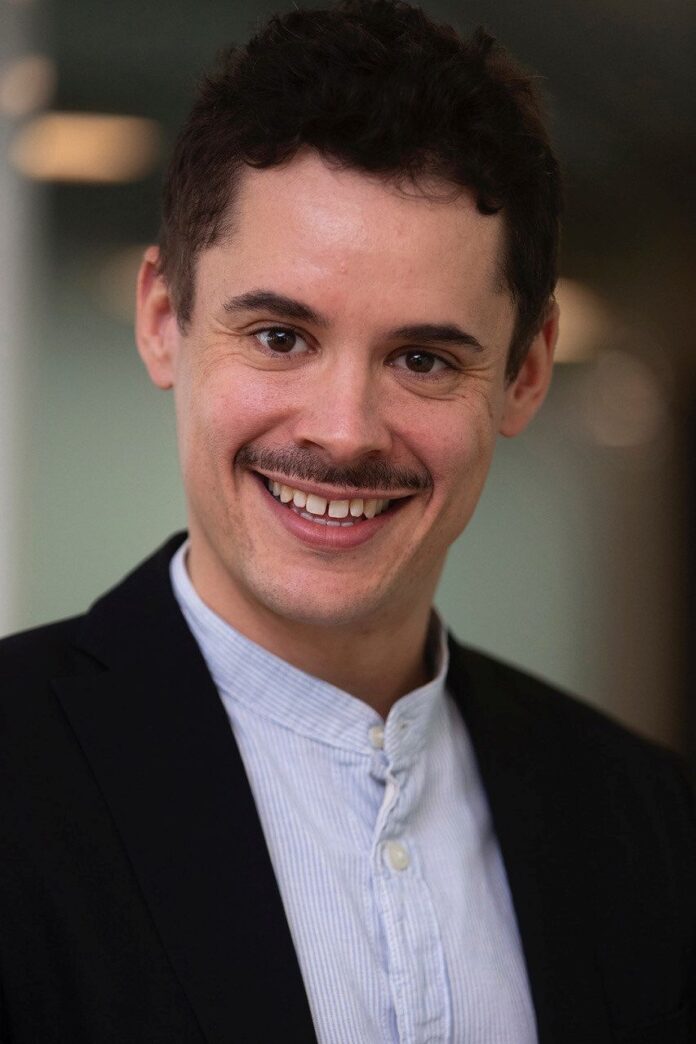
Echosens, a France-based specialist diagnostic company providing non-invasive medical devices and services to support physicians in their diagnostic and monitoring of chronic liver diseases, has appointed Romain Baujard as group CEO, effective 1 May 2026. He succeeds Dominique Legros, who will retire after leading the company since 2019.
Founded in 2001 by Laurent Sandrin, Echosens has revolutionised routine clinical practice in hepatology by enabling the diagnosis of hepatic injuries due to chronic liver diseases via the quantification of liver fibrosis through a non-invasive, easier to use and cost-effective alternative to the biopsy. It has a worldwide installed base of thousands of instruments as well as direct operations across key European markets, China and the US.
Under Dominique’s leadership, Echosens experienced a period of sustained global expansion with increased clinical and commercial adoption of its technology, reinforcing the company’s position as the global standard in non-invasive liver assessment. Under his leadership, FibroScan expanded beyond hepatology and gastroenterology into diabetology, endocrinology, and primary care – reflecting growing recognition of liver health as a critical component of broader metabolic management and an expanding opportunity within large and underserved patient populations.
Backed by Inner Mongolia FuRui Medical Science and Astorg (which acquired Cathay Capital Private Equity’s and OrbiMed’s share of the company in 2018), Echosens is entering its next phase of growth, scaling its global platform and expanding clinical adoption.
Baujard joined Echosens in 2015 and most recently served as vice president, Pharma. He has held several additional strategic and operational leadership roles, including oversight of global marketing and international commercial operations.
“Echosens is at a key turning point as innovation accelerates across cardiometabolic care,” said Baujard. “We will continue to expand access to our technologies, support clinicians beyond traditional specialties, and advance our digital, data, and AI capabilities to drive earlier detection and more effective risk management.”